
Inflammation – the body’s attempt to heal
Allopathic (Western) Medicine
Inflammation is the body’s protective response to harmful stimuli like pathogens, damaged cells, or irritants, aiming to eliminate the cause of injury and initiate healing. It’s a complex biological process involving the immune system, blood vessels, and various cells, with both protective and potentially damaging effects.
How Does Inflammation Happen?
When the body faces an intruder — like bacteria, viruses, or even a physical injury — its immune system jumps into action. Think of it as the body’s internal defense force sending out its first responders: inflammatory cells and signaling molecules called cytokines.
These specialized cells either work to destroy the invader or begin repairing the damage. This protective response often shows up as redness, swelling, pain, or bruising — clear signs that the body is actively healing or defending itself.
Inflammation can be acute, like a quick reaction to a cut, or chronic, lingering when the trigger doesn’t go away. Either way, it’s a vital part of how the body keeps us safe and strong.

“Each human being is a singular expression of life — unique in body, mind, emotion, energy and karma — woven from seen and unseen layers that shape their path to balance, healing, and realization.”
In Ayurveda, TCM, and holistic systems, the key question is not just:
“What disease does this person have?”
but:
“What kind of person has this disease?”
This is why two people with the same diagnosis may need very different healing approaches.
Prakriti (Original Constitution)
Ayurveda teaches that each person is born with a unique balance of three doshas (bio-energies):
-
Vata (air + ether): movement, nervous system, creativity
-
Pitta (fire + water): transformation, digestion, metabolism
-
Kapha (earth + water): structure, lubrication, strength
This prakriti defines:
-
Our physical structure, tendencies, and emotional patterns, mental patterns (Manas Prakriti)
-
How we react to foods, weather, stress, and pathogens
-
Which diseases we’re prone to, and how we will respond to treatment
Everything is Panchamahabhuta – five fundamental elements of the universe: space/ether (Aakash), air (Vayu), fire (Agni), water (Jal) and earth (Prithvi). The ancient Rishis new that we are Stardust.

Your Prakriti is written in the stars
A birth chart (Kundali) is a map of the planetary positions at the time of a newborn’s birth, which illustrates not just the influence of planets on their life but also the blueprint of the body and the mind in this manifestation.
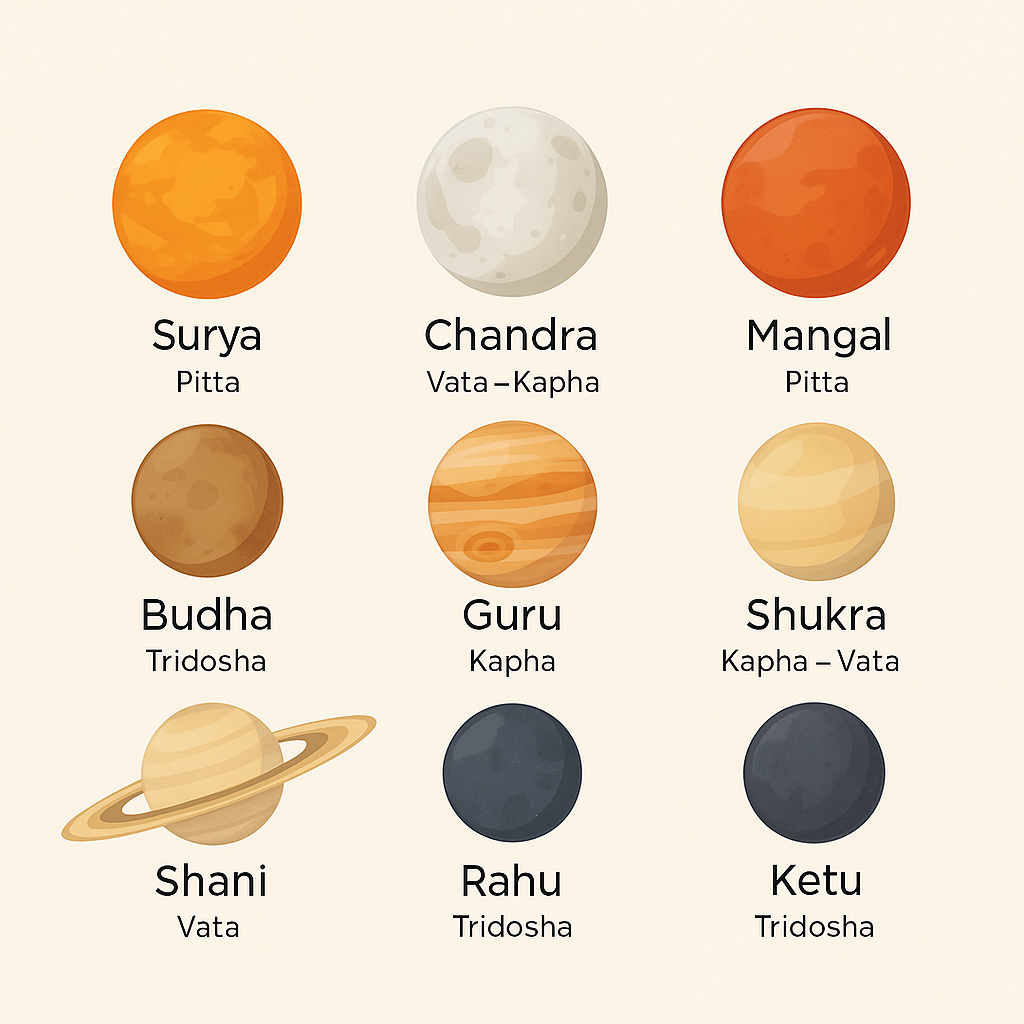
- Surya (Sun): Represents the soul, ego, and vitality.
- Chandra (Moon): Represents the mind, emotions, and motherly instincts.
- Mangal (Mars): Represents energy, courage, and aggression.
- Budha (Mercury): Represents intelligence, communication, and intellect.
- Guru (Jupiter): Represents wisdom, knowledge, and blessings.
- Shukra (Venus): Represents love, beauty, and luxury.
- Shani (Saturn): Represents discipline, limitations, and justice.
- Rahu (North Lunar Node): Represents desires, obsession, and illusion.
- Ketu (South Lunar Node): Represents detachment, spirituality, and past life influences.
Your body is the vessel of your soul’s mission in this earthly plane.
To live in tune with your purpose and connect to higher wisdom, you must treat your body as a temple.
When purified, the body becomes a bridge between the material and the divine.
In spiritual and esoteric traditions—including Rudolf Steiner’s anthroposophy, Ayurveda, and various mystical schools—the human body is seen not merely as a biological machine but as a sacred vessel, a temple of consciousness, and an antenna for higher knowledge.
To fulfil one’s life purpose, or dharma, we must cultivate a body capable of receiving, transmitting, and embodying higher frequencies of wisdom, intuition, and divine will.


The Body as an Antenna
- The human being is a multi-layered instrument — physical, etheric, astral, and spiritual.
- Like an antenna, the body picks up subtle signals from the cosmos, nature, and the soul.
- Poor diet, chaotic emotions, toxins, and overstimulation clog the antenna, dulling perception and misaligning action.
Siddhis
are extraordinary powers or psychic abilities that can be attained through advanced spiritual practices and body purification

Information stored in a non-physical plane of existence

Manifestation, Law of Attraction

Premonition & remote viewing

Ability to communicate thoughts or ideas directly between minds

Out of body experiences & astral travel
Universal Laws
In both ancient wisdom and modern metaphysical thought, love is not merely an emotion — it is the fundamental vibrational frequency of the universe. It is the original resonance from which all life, matter, and consciousness emerge.
Love as Universal Intelligence
-
Love is described as the creative force of the Source, the energy that brings order, coherence, and unity to the cosmos.
-
It is the vibration that connects all beings beyond form, time, or belief.
-
In mystical systems — whether Sufism, Vedanta, Gnostic Christianity, or Kabbalah — pure love is synonymous with divine consciousness.
High Frequency = High Coherence
In frequency terms:
-
Fear, anger, and hate are low-frequency states: contracted, fragmented, chaotic.
-
Love, compassion, and kindness are high-frequency states: expansive, coherent, harmonizing.
Science echoes this too — studies in heart coherence (like from the HeartMath Institute) show that love and gratitude bring the heart and brain into synchrony, optimizing immunity, clarity, and emotional balance.
In Ayurveda and Vedic Wisdom:
-
Emotions are seen as energetic frequencies that impact doshas, tissues (dhatus), and even karma.
-
Cultivating maitri (loving-kindness) and karuna (compassion) purifies the mind and heart, aligning you with sattva — the quality of clarity, peace, and spiritual truth.
-
This sattvic state opens the subtle channels (nadis) and refines the prana, making the body and mind capable of receiving higher guidance.
The Highest Frequency of the Universe Is Love and Kindness

Mind and Body Hygiene
-
Clean food, clean breath, clean thoughts — are key for our health and spiritual progress.
-
Practices like fasting, meditation, breathwork, and silence are cleansing rituals that restore the body-temple to resonance with the higher self.
स्वस्थस्य स्वास्थ्य रक्षणम्, आतुरस्य विकार प्रशमनम्
“Swasthasya Swasthya rakshnam, aturasya vikara prashaman”
“To protect the health of the healthy, and to alleviate the disorders of the sick.” — one of the core principles of Ayurveda.
Agni — the digestive fire
Protecting Agni is one of the most important foundations for health, because Agni governs not only digestion but the transformation of everything we take in: food, water, breath, thoughts, and experiences.
When Agni is strong and balanced, food is digested fully, nutrients are absorbed properly, waste is eliminated efficiently, and the mind remains clear and steady. This creates ojas (vital essence), strong immunity, and stable energy. When Agni is weak, irregular, or overburdened, undigested matter (Ama) forms, leading to toxins, inflammation, and disease.

AVOID INFLAMMATION
- Proper daily routine: It begins with waking up early, ideally before sunrise, aligning with the natural circadian rhythm.
- Protect your Agni
- Eat at regular times and avoid skipping meals.
- Leave 4–6 hours between meals so the previous food is digested before the next.
- Eat freshly prepared, warm, and slightly oily foods — avoid stale, processed, or refrigerated meals.
- Choose seasonal and constitution-appropriate foods (according to dosha, ritu, and desha).
- Avoid incompatible food combinations (Viruddha Ahara)
- Don’t overeat or under-eat — stop when about 75% full.
- Avoid ice-cold drinks that weaken Agni.
- Manage stress through pranayama, meditation, and adequate rest — emotional agitation can disturb Agni as much as poor diet.
- Listen to your hunger and avoid eating when not truly hungry.
- Lunch should be the largest meal, taken around midday when digestive fire (Agni) is strongest.
- Meals should be taken mindfully, in a calm environment.
- Avoid eating late at night.
- Healthy nervous system ensures that the brain can effectively communicate with every part of the body, regulating vital functions and maintaining balance.
- Regular movement, exercise, and sweating promote the circulation of blood, lymph, and prana, keeping the fascia supple and removing metabolic waste.
- Sleep & sufficient rest, including deep, restorative sleep and mindful stress management, allows the nervous system to reset and the body to repair itself.
- Finally, prayer and meditation reconnect the individual with the source, calming the mind, strengthening inner resilience, and creating a spiritual anchor amidst life’s fluctuations. When these five elements are integrated consciously, the body becomes a vibrant vessel for purpose, clarity, and higher connection.
First Step in Treatment:
Nidāna Parivarjana
(Elimination of the Cause)
Nidāna (निदान) — cause or root of disease
“Nidāna Parivarjana” means completely avoiding the causative factor.
It is often called the first and most essential line of treatment (prathama chikitsa siddhanta).
“Without eliminating the cause, treating symptoms is like mopping the floor while the tap is still open.”
This applies to all doshic imbalances—Vata, Pitta, and Kapha—and even to chronic conditions. Unless the root cause is removed, other treatments (diet, herbs, detox) will have limited or short-term effect.
Nidāna is Not Just Physical, it has also emotional and mental causes — like chronic anger, grief, or fear, traumas.

Reduce Stress – Enter Parasympathetic Mode – Tune your body
Every organ and system in the body resonates at specific frequencies. When these frequencies fall out of harmony due to stress, illness, or imbalance, sound healing is believed to restore their natural resonance. Sound vibrations penetrate the body, promoting cellular harmony, reducing stress, and enhancing circulation and energy flow.

Theta waves are strongly associated with the parasympathetic nervous system and relaxation*, while the parasympathetic nervous system is activated during periods of calm and rest. Theta waves, which are a type of brainwave activity in the 4-7.5 Hz range, are commonly observed during meditation, light sleep, and states of deep relaxation. When the parasympathetic nervous system is dominant, it promotes a sense of calm and lowers stress levels.
Numerous studies have reported positive effects of purported binaural-beat entrainment on clinically relevant outcomes including: heart rate, blood pressure, electrodermal response, and finger temperature, performance vigilance and mood, hypnotic susceptibility, mental and physical relaxation, attention and memory, depression and mood regulation, generalized anxiety, as well as pre-operative anxiety and intra-operative anesthesia requirements.

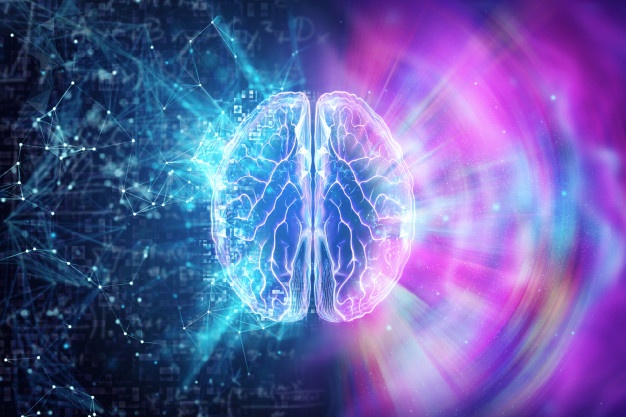
Brain Hemisphere Synchronization is an audio technology using binaural beats — two slightly different frequencies played separately into each ear—to encourage the brain’s left and right hemispheres to synchronize, resulting in coherent, balanced brainwave activity.
Different Hemi‑Sync tracks target specific brainwave states:
-
Delta (0.5–3 Hz) for deep rest and healing
-
Theta for deep meditation and intuition
-
Alpha/Beta ranges for focus, clarity, learning, creativity
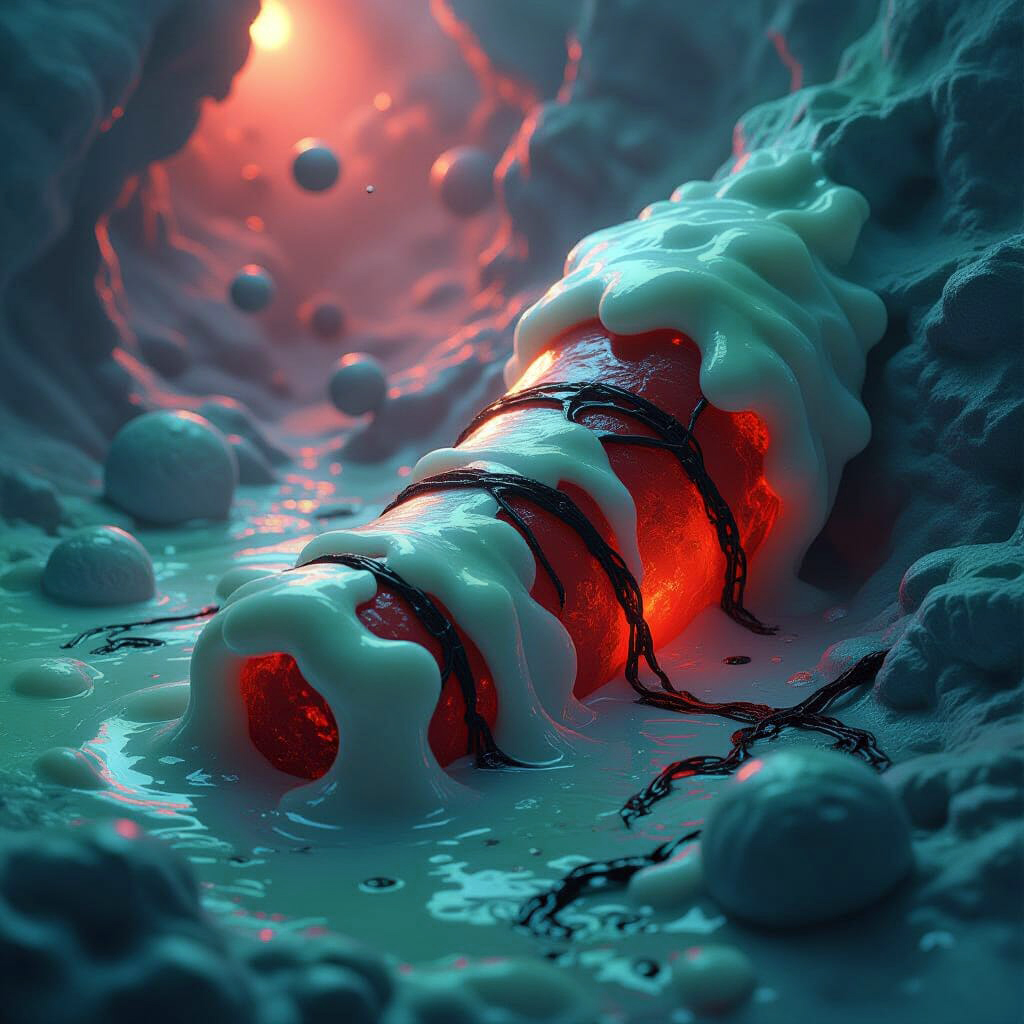
Āma, the first expression of deviation in the physiological processes of the body.
It refers to toxic, undigested residue that forms in the body due to impaired digestion (Agni). It is described as a sticky, heavy, foul-smelling substance that clogs bodily channels (srotas), weakens immunity, and serves as the root cause of many diseases.
Key qualities of Ama:
- Heavy (guru)
- Sticky (picchila)
- Cold (shita)
- Foul-smelling (durgandha)
- Obstructive (srotorodha)
How Ama forms:
- Eating incompatible, heavy, or processed foods
- Too much cold and raw food, water, juices
- Overeating or eating before previous meals are digested
- Weak digestive fire (mandagni)
- Stress, sleep disturbances, and lack of physical activity
Signs of Ama:
- Coated tongue
- Fatigue, sluggishness
- Bloating, indigestion
- Brain fog, poor concentration
- Bad breath, body odor
- Joint stiffness or pain
Symptoms of chronic inflammation
It is difficult to identify the symptoms of chronic inflammation but the signs can include:
– Joint pain or joint stiffness
– Body pain
– Muscle pain
– Chronic fatigue
– Insomnia
– Depression, anxiety, mood swings
– Constipation, diarrhoea and acid reflux
– Fever
– Chest pain
– Frequent infections
– Skin rash
– Sores in the mouth
– Weight gain or weight loss
Conditions associated with chronic inflammation

Alzheimer’s
Parkinson’s
Multiple Sclerosis
Asthma
COPD
Hay Fever
Bronchitis

Osteoarthritis
Osteopenia
Osteoporosis
Rheumatoid Arthritis
Type 2 Diabetes
Renal Failure
Fatty Liver Disease
Atherosclerosis
Heart Failure
Stroke
Hypertension
IBD
Crohn’ Disease
Colitis
Lupus
Type 1 Diabetes
Key reasons which fuel inflammation
-
Unhealthy food and food habits – Consuming processed, refined, and incompatible foods burdens the body and ignites inflammation.
-
Weak Agni (digestive fire) – Poor digestive strength leads to incomplete digestion and the accumulation of Ama (toxins).
-
Disrupted daily rhythm – Irregular sleeping, eating, and activity patterns disturb the body’s natural healing cycles.
-
Mental stress – Chronic stress keeps the nervous system in fight-or-flight mode, fueling systemic inflammation.
-
Emotional heat (anger, competitiveness, impatience) – Intense emotions overheat the system, disturbing Pitta and creating inflammatory reactions.
-
Hot climate or environmental heat, overexposure to sun – Excess external heat aggravates Pitta, leading to dryness, rashes, and internal inflammation.
-
Exposure to pesticides – Toxins from chemically treated foods disrupt hormones, immunity, and cellular function.
-
Exposure to heavy metals – Heavy metal buildup damages tissues, weakens immunity, and promotes chronic inflammatory conditions.
-
Exposure to mold (especially black mold) – Mold toxins burden the liver, irritate the respiratory system, and trigger immune overreactions.
-
Toxic body care products and perfumes – Chemical additives in cosmetics absorb into the bloodstream, stressing the liver and skin.
-
Overexposure to screens and artificial light – Disrupts circadian rhythm, reduces melatonin, and increases oxidative stress in the brain and eyes.
-
Overuse of medications – Excessive pharmaceutical use can burden the liver, disrupt gut flora, and generate inflammatory side effects.
-
Overuse of stimulants (caffeine, alcohol, nicotine, chemical stimulants & drugs) – Pushes the nervous system into overdrive, exhausting adrenal function and promoting inflammation.
-
Wi-Fi & Bluetooth – Prolonged exposure to electromagnetic fields can contribute to oxidative stress and cellular imbalance.
You are what you eat
The food you consume directly impacts your physical and mental well-being. Your body uses the nutrients from food to build and repair cells, produce hormones and neurotransmitters, and maintain overall health. Essentially, the quality of your diet influences your physical condition, energy levels, and susceptibility to illness.


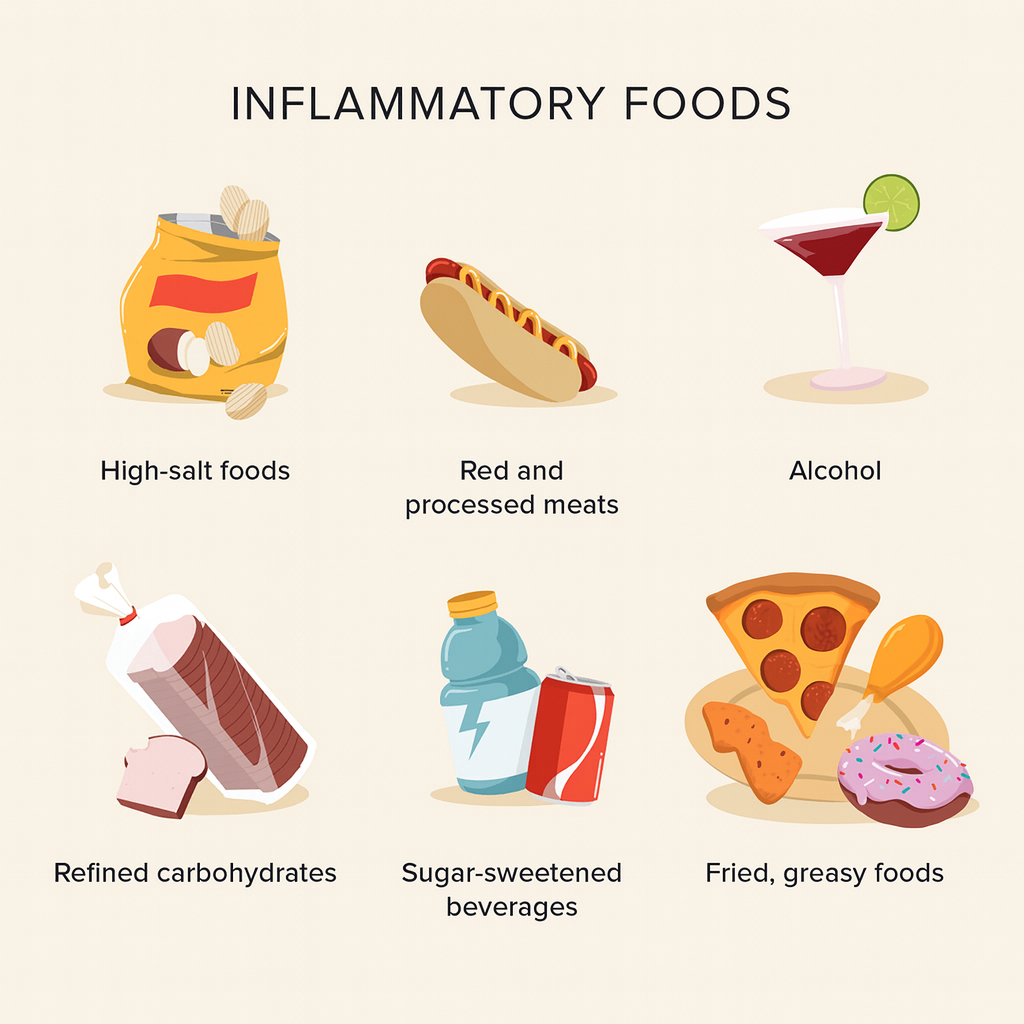
There’s no denying that certain foods can significantly contribute to inflammation in the body. Completely independent from your Prakriti (body constitution). These include heavily salted snacks, red and processed meats, alcohol, and refined carbohydrates. Sugar-sweetened drinks—and even those with artificial sweeteners—can also play a role. Add to that fried and greasy foods, as well as anything loaded with chemical additives and artificial colorings, and you have a perfect recipe for internal imbalance.
Choosing whole, natural foods can help the body return to a more harmonious, less inflammatory state.
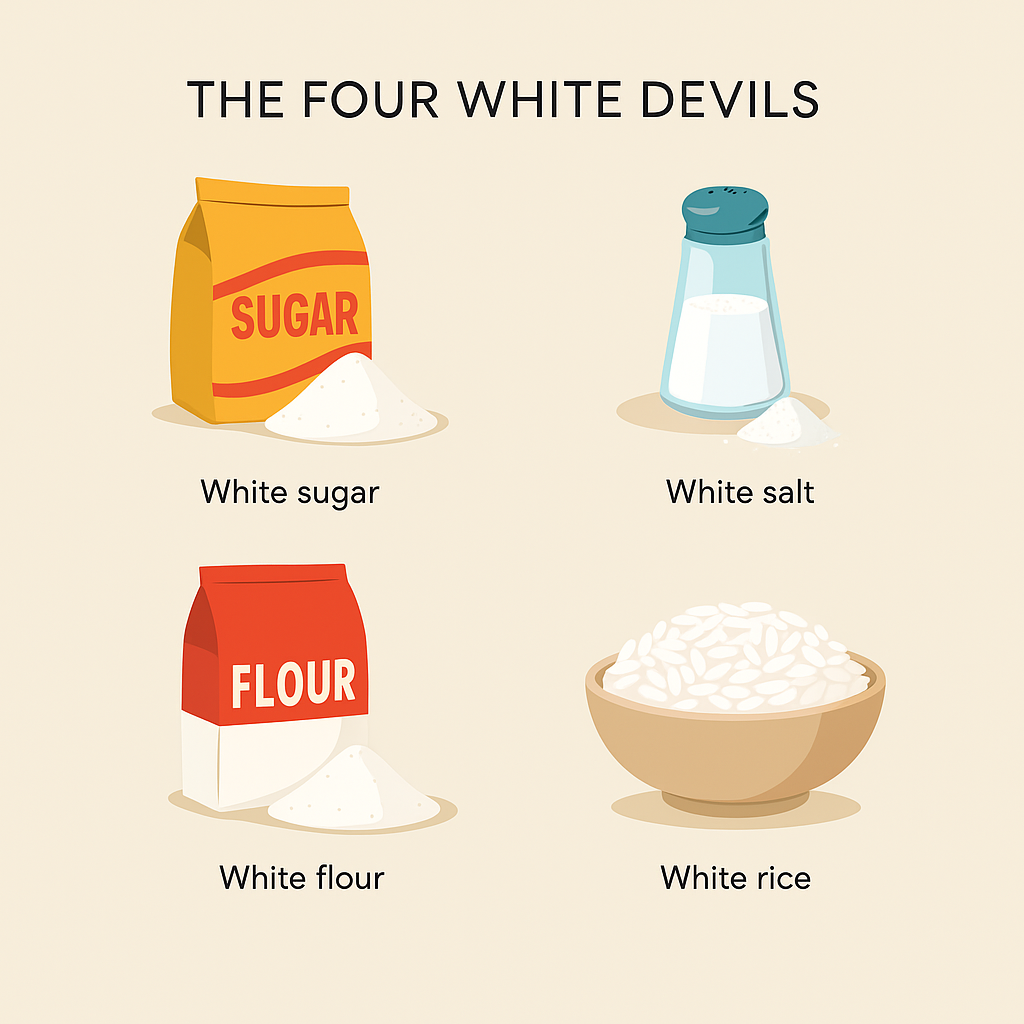
Often referred to as the “four white devils,” refined sugar, refined salt, white rice, and white flour have become staples of the modern diet—but not without consequence. Refined white sugar disrupts blood sugar balance, fuels inflammation, and burdens the liver, whereas natural alternatives like raw honey or jaggery and many more offer trace minerals and a gentler metabolic response.
Common white table salt, stripped of its natural minerals, can disturb electrolyte balance and increase blood pressure, unlike mineral-rich Himalayan pink salt, sea salt, or Celtic salt, which support hydration and nerve function.
And then there’s white flour — highly processed, hard to digest, and nutritionally empty. In contrast, fresh whole wheat flour (without additives), millet flours etc. and naturally fermented breads like sourdough support gut health, improve digestion, and provide sustained energy. Choosing these wholesome, less refined alternatives is a simple but powerful step toward long-term vitality and well-being.
White rice, heavily polished and devoid of fiber, spikes blood glucose, arsenic content of high and lacks the nourishment found in traditional varieties like aged Basmati, semi-polished white, red, brown, or black rice—each rich in fiber, antioxidants, and essential nutrients.
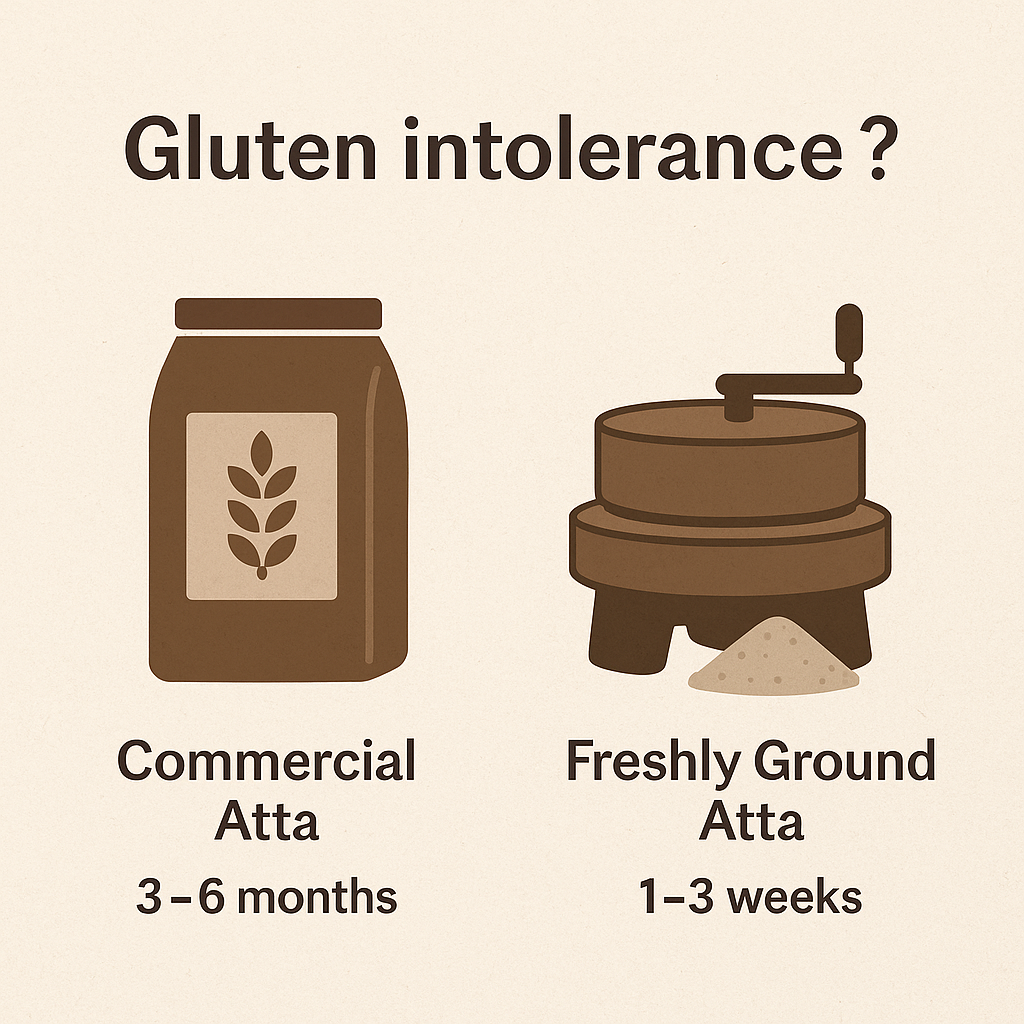
Did you know?! Often it is not “gluten intolerance“. Commercial atta (whole wheat flour) is often non-organic (sprayed with pesticides), processed and packaged to extend its shelf life — especially in large-scale production.
-
Bleaching Agents (in some refined flours): benzoyl peroxide or chlorine dioxide may be used to make the flour whiter and more “appealing.” These chemicals are unnecessary and can cause irritation to the digestive tract or disrupt gut flora.
-
Preservatives / Anti-fungal agents: Propionic acid or calcium propionate may be added to prevent mold or fungal growth, especially in humid regions. While considered “safe” in small amounts, some individuals report allergic or gastrointestinal sensitivity to such preservatives.
- De-oiling (removal of wheat germ oil): Some commercial atta is partially de-oiled to prevent rancidity caused by the natural oils in the wheat germ. This process reduces the nutritional quality—especially vitamin E, healthy fats, and antioxidants.
Freshly Ground Atta (Chakki Atta):
Retains the bran, germ, and endosperm. Rich in B vitamins, fiber, vitamin E, and healthy oils. These oils begin to oxidize soon after grinding, which is why fresh flour tastes richer but spoils faster. The enzymes and micronutrients are more active and support better digestion. Freshly ground atta has a nutty, robust aroma and taste that packaged flour often lacks. (Tip: store in fridge or in dark cool place)
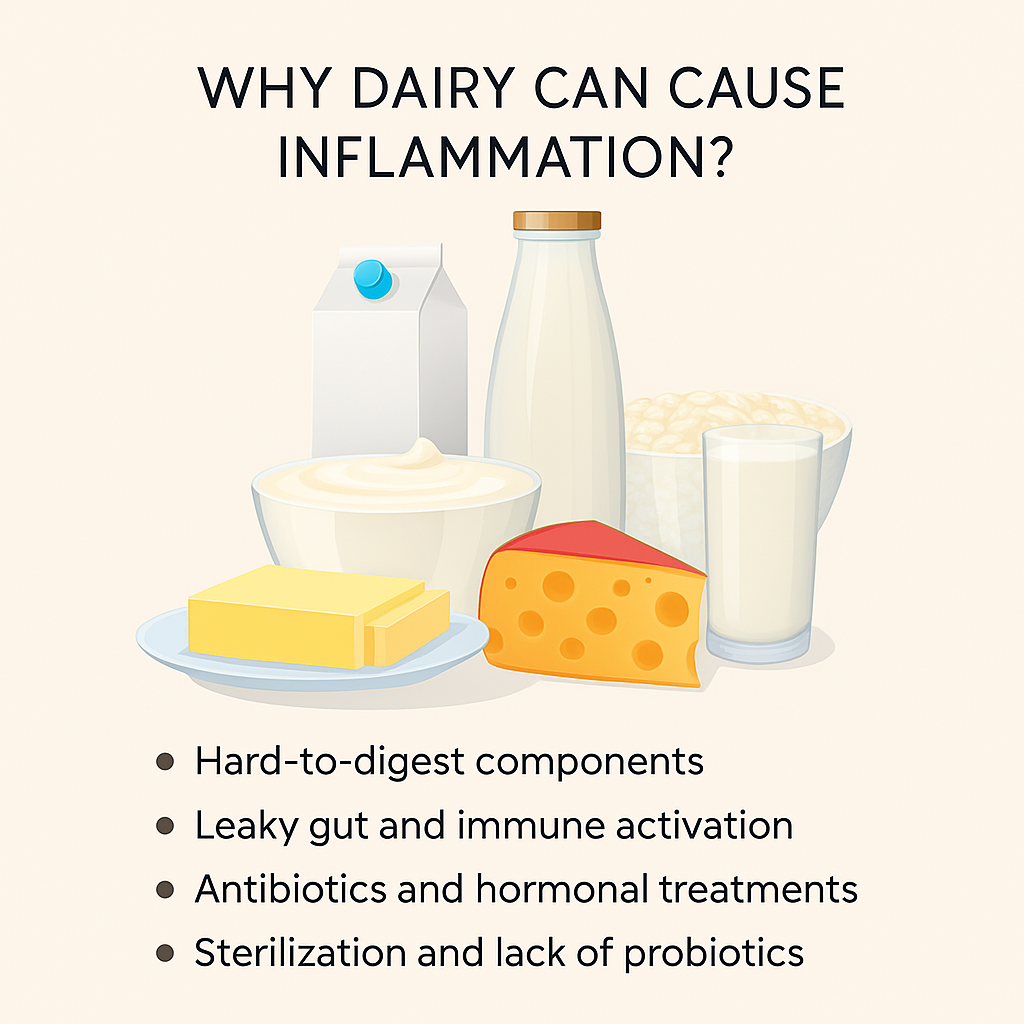
- Hard-to-Digest Components: Casein (protein) and lactose (sugar) in dairy are difficult to digest, especially for those with compromised gut health. Poor digestion can lead to immune reactions, food sensitivities, and systemic inflammation.
-
Leaky Gut and Immune Activation: In people with leaky gut, partially digested dairy particles may pass through the intestinal wall into the bloodstream. This triggers an immune response, increasing inflammation and potentially contributing to autoimmune conditions.
-
Feeds Pathogens: Dairy can promote the growth of harmful organisms in the gut such as yeast (e.g. Candida), parasites, and pathogenic bacteria, weakening digestion and immunity.
-
Antibiotics and Hormonal Treatments: Dairy cattle are often treated with antibiotics and hormonal injections (including in rural areas). Residues can persist in the milk, potentially disrupting the human microbiome, immune balance, and hormonal system.
-
Sterilization and Lack of Probiotics: Pasteurized or heat-treated milk lacks natural, beneficial bacteria found in raw dairy, reducing potential gut benefits and further affecting microbial balance.
-
GMO Additives and Feed: Use of GMO rennet and genetically modified grain feed (often treated with glyphosate) can lead to contamination with: toxins, allergens, antibiotic-resistant microbes. Glyphosate is known to disrupt gut flora, which is vital for immune health.
-
Systemic Impact: The gut contains up to 80% of the immune system. Disruptions caused by dairy may result in skin conditions (like acne, eczema, or psoriasis), and general inflammatory symptoms throughout the body.
A1 vs. A2 Milk – What’s the Difference?
-
A1 Milk (Holstein, Ayrshire, Jersey (some) cows) contains a variant of beta-casein protein that produces BCM-7, a peptide linked to: gut inflammation, potential neurological and autoimmune responses in sensitive individuals
-
A2 Milk (Indian breeds, goats, sheep, buffalo) contains a more ancestral form of beta-casein that does not produce BCM-7 and is considered easier to digest and less inflammatory for some people.
A2 milk is generally better tolerated by those with mild lactose intolerance or dairy sensitivity, though it still may not suit those with advanced gut issues or autoimmune conditions.
In Ayurveda, milk is considered a powerful rasayana—a rejuvenating, nourishing substance that supports ojas (vital essence), immunity, and longevity. However, the qualities and effects of milk differ based on its source. If you have a weak digestion, gut imbalance, toxins (Ama) in your body, sluggish liver, inflammation, auto-immune conditions and lead a sedentary lifestyle or you don’t produce enough of the enzyme lactase (East Asians, Southeast Asians etc.) the positive effects of milk described in Ayurvedic text might not apply to you and cause the opposite effect.
Milk may be used therapeutically in certain specific conditions, such as in the treatment of ascites, under careful guidance.
Cow’s Milk
Cow’s milk is revered in Ayurveda as sattvic, meaning it promotes purity, calmness, and spiritual growth. Here the ancient texts talk about clean milk which is almost not available to us these days. It is sweet in taste (madhura rasa), cooling in energy (shita virya), and nourishing in post-digestive effect (madhura vipaka).
It is especially beneficial for:
-
Vata and Pitta dosha due to its grounding, calming, and lubricating nature
-
Promoting strength, memory, and tissue regeneration
-
Supporting sleep and healthy reproduction
However, it can aggravate Kapha if taken in excess or combined with heavy or incompatible foods (like salty or sour items). For best digestion, it is recommended to boil cow’s milk with spices like turmeric, ginger, or cardamom.
Goat’s Milk
Goat’s milk is lighter and easier to digest than cow’s milk. It is also sweet in taste but has a slightly heating quality and drying tendency.
Ayurveda suggests it for:
-
Pitta and Kapha conditions due to its lower mucus-forming tendency
-
People with sensitive digestion or recovering from illness
-
Conditions like fever, asthma, or liver imbalance
It is considered less nourishing than cow’s milk but more digestible for individuals with weak Agni (digestive fire).
Sheep’s Milk
Sheep’s milk is heavy, oily, and very nourishing, with a sweet taste and heating quality.
It is best suited for:
-
Vata disorders, including emaciation, debility, and chronic fatigue
-
Supporting weight gain and strengthening all seven dhatus (tissues)
However, due to its heaviness, it may aggravate Kapha and is hard to digest for many people. It’s recommended in very small amounts and usually only in specific therapeutic contexts.
Buffalo’s Milk
Buffalo milk is even heavier and more cooling than cow’s milk. It is sweet in taste and has cold and unctuous qualities, making it very grounding and sedating.
Ayurveda uses it for:
-
Severe Vata conditions and insomnia due to its strong calming effect
-
Promoting sleep and increasing bulk in the body
However, it is highly Kapha aggravating, increasing mucus, heaviness, and sluggishness. It should be avoided in obesity, slow digestion, or respiratory conditions.
In Ayurveda, viruddha ahara refers to incompatible food combinations that disturb digestion, produce toxins (ama), and may lead to imbalance in doshas, poor metabolism, or even chronic disease. Milk, while considered a sattvic and nourishing food, becomes toxic when combined with incompatible substances.
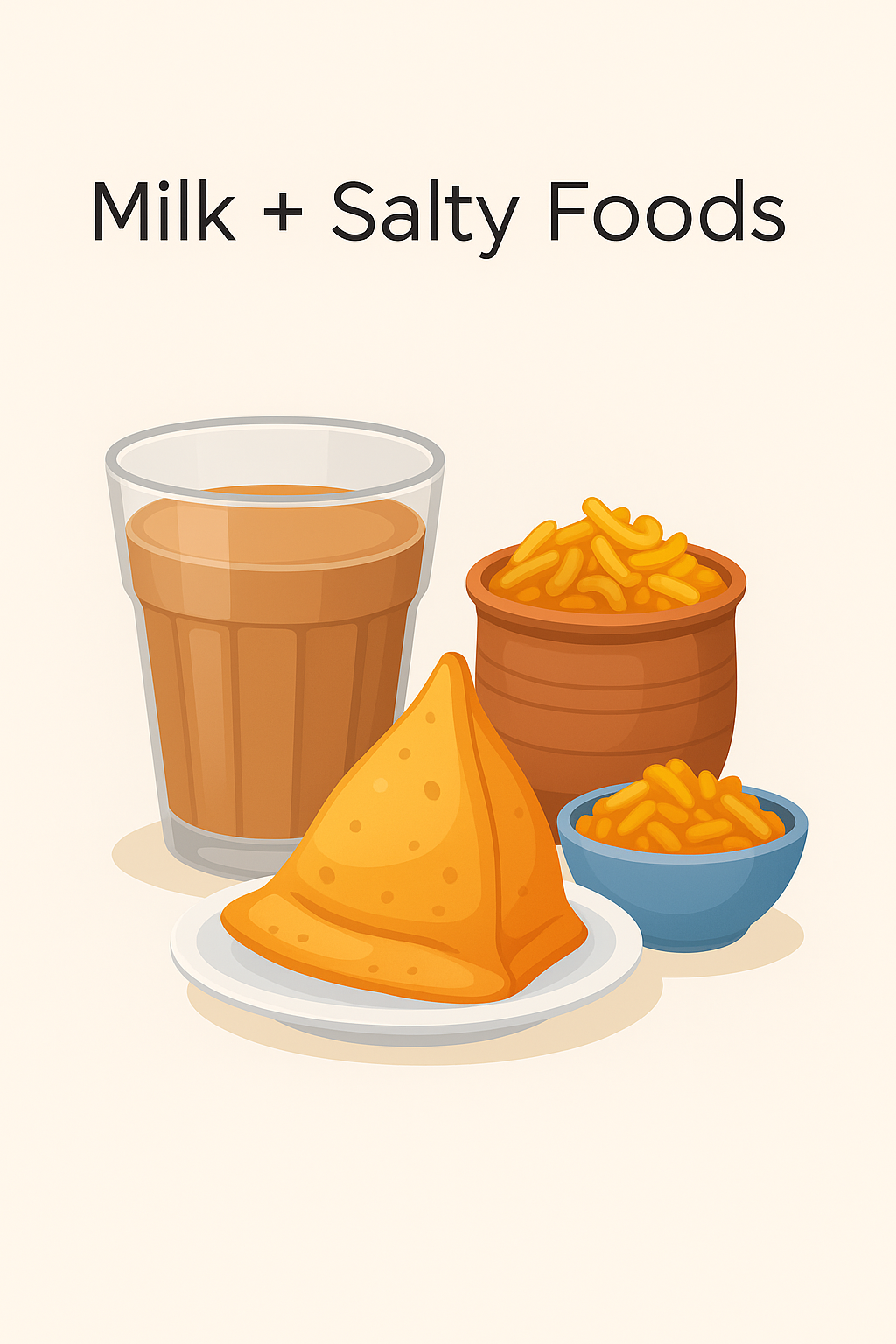
An Indian Classic – Chai, Namkeen, Samosa, Kachori & Co.
Why Milk + Fresh Ginger
-
Milk is cooling, heavy (guru), and sweet (madhura rasa), with an unctuous and nourishing effect.
-
Fresh ginger (ardraka) is heating, light (laghu), and pungent (katu rasa), with drying and stimulating qualities.
These two substances have opposing energies: Milk cools and nourishes, while vs. Ginger heats and stimulates digestion.
When taken together, they confuse the digestive fire (agni) and may lead to: formation of ama (toxins), skin issues, digestive discomfort, rashes or blood impurities in sensitive individuals
Milk + Salt or Salty Foods:
- Examples: Salted snacks, soups, pickles
- Effect: Increases toxicity, disturbs blood chemistry, and may aggravate skin issues
According to Ayurveda, Vitiligo (Shwitra, is a chronic autoimmune disorder that causes patches of skin to lose pigment or color) is caused by an imbalance of Vata, Pitta, and Kapha doshas, particularly Bhrajak Pitta, which is responsible for skin pigmentation. Viruddha Aahara is believed to be a key factor in causing this imbalance. India — especially Gujarat and Rajasthan — reports one of the highest regional rates globally (popular Gujarati dish – Doodh wali khichdi – milk with pulses & rice & salt)
Not so fun fact: The “tradition” of Indian chai—a sweet, milky, spiced tea—feels ancient, but its popular form is surprisingly modern and heavily influenced by colonial history and economic interests. Black tea with milk and sugar (modern chai) was introduced under British rule to promote local tea consumption.
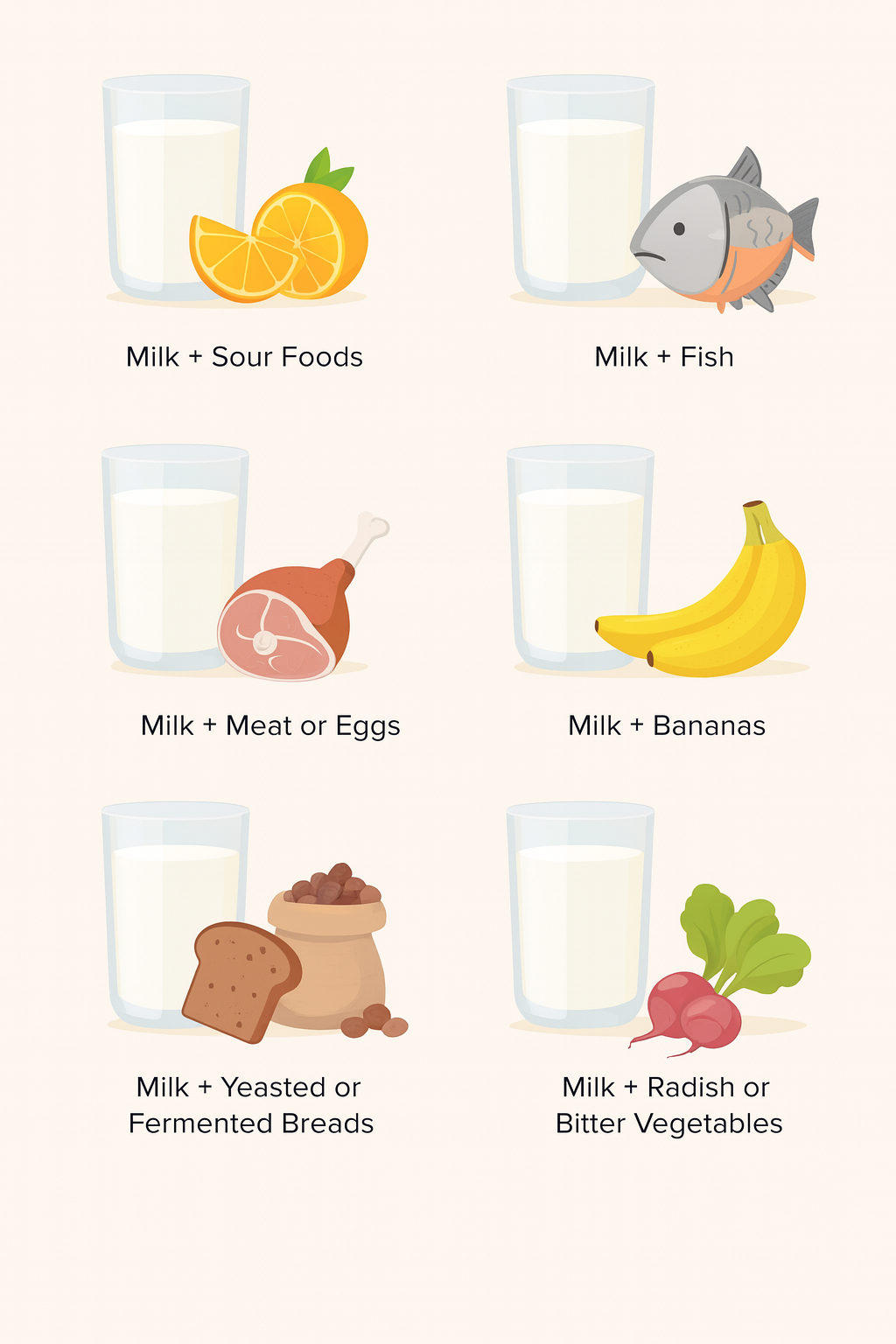
Milk + Sour Foods (Citrus Fruits):
- Examples: Yogurt, sour fruits (oranges, lemons, pineapples), tomatoes, vinegar
- Effect: Causes curdling in the stomach, leading to indigestion and skin disorders
Milk + Fish:
- Effect: Considered a classic viruddha ahara; both have opposing qualities (milk is cooling and fish is heating), which can lead to skin diseases and blood impurities
Milk + Meat or Eggs:
- Effect: Heaviness and digestion issues due to conflicting properties and energies
Milk + Melons (or watery fruits):
- Examples: Watermelon, cantaloupe
- Effect: Causes fermentation and disrupts digestion due to their diuretic and cooling nature
Milk + Yeasted or Fermented Breads:
- Examples: Milk with sourdough or other leavened breads
- Effect: Increases Kapha and ama production
Milk + Pulses or Beans (Kichadi):
- Especially: Horse gram, urad dal, rajma
- Effect: Fermentation, gas, and indigestion
Milk + Radish or Bitter Vegetables:
- Effect: Disturbs digestion, leads to metabolic toxin formation
Ayurveda clearly defines that certain diet and their combinations, which interrupts the metabolism of tissue, inhibits the process of formation of tissue, and which have the opposite property to the tissue are called Viruddha Ahara or incompatible diet.
Refined Oils
Refined oils — such as refined sunflower, soybean, canola, corn, or palm oil — undergo heavy industrial processing involving high heat, chemical solvents (often hexane), bleaching, and deodorizing. While this makes them clear, odorless, and long-lasting, it strips away their natural nutrients and introduces harmful compounds.
From an Ayurvedic perspective, refined oils are tamasic (dull, lifeless) and lack the prana (vital life force) found in cold-pressed, natural oils. They can also aggravate Pitta and Kapha doshas by promoting inflammation, heaviness, and sluggish circulation.
-
Loss of nutrients — Refining removes natural antioxidants like vitamin E, phytosterols, and essential fatty acids.
-
Oxidative damage — High-heat processing and repeated frying produce trans fats and free radicals that damage cells, accelerate aging, and increase disease risk.
-
Inflammation — High omega-6 fatty acid content (especially in refined seed oils) skews the omega-6/omega-3 balance, triggering chronic inflammation in the body.
-
Digestive strain — Heavily processed oils are harder to digest and may weaken Agni, leading to Ama (toxins).
-
Hormonal disruption — Some refined oils interfere with cell membrane integrity, impacting hormone signaling.
-
Cardiovascular risk — Associated with higher LDL cholesterol, plaque formation, and endothelial damage.
Healthier Alternatives
Ayurveda recommends unrefined, cold-pressed, natural oils in moderation, chosen according to constitution and season:
-
Sesame oil – warming, strengthens Vata, improves circulation.
-
Ghee – supports digestion, nourishes tissues, increases ojas.
-
Coconut oil – cooling, soothes Pitta, supports skin and immunity.
-
Olive oil – balanced, heart-healthy, good for moderate cooking.
- Mustard oil – stimulates Agni, improves circulation, good in cold climates.
Used mindfully, these oils provide nourishment, prana, and dosha balance — the exact opposite of refined oils, which deplete vitality.
Eggs and meat
Fasting is not for everybody!
Main Types of Langhana (literally “lightening”), a therapeutic approach aimed at reducing heaviness, toxins (Ama), and aggravated doshas, especially Kapha and Pitta.
-
Upavasa (Complete fasting)
- Abstaining from solid food, sometimes from liquids too.
- Traditionally used for short periods to kindle Agni and pacify acute conditions.
-
Phalāhāra / Patya-āhāra (Fruit or light diet)
- Taking only fruits, light vegetable soups, or herbal teas.
- Gentle, supportive cleansing that still provides some nutrients.
-
Liquid fasting (Peya, Manda, Yavagu)
- Consuming only light, warm liquids like rice water, thin gruels, or herbal decoctions.
- Especially used for weak digestion or during convalescence.
-
Intermittent fasting (Kalabhojana)
- Eating only at specific times (e.g., once or twice a day) with long gaps in between, allowing digestion to complete before the next meal.
-
Mono-diet fasting (Laghu-āhāra)
- Eating one easily digestible food, like kitchari or mung dal soup, for a set period to reduce digestive load.
Leafy greens & crusifserus veggies
Nasya
Virechana
Basti
Essential Oil
Red Light Therapy
Acupuncture
Fear is a self-imposed obstacle
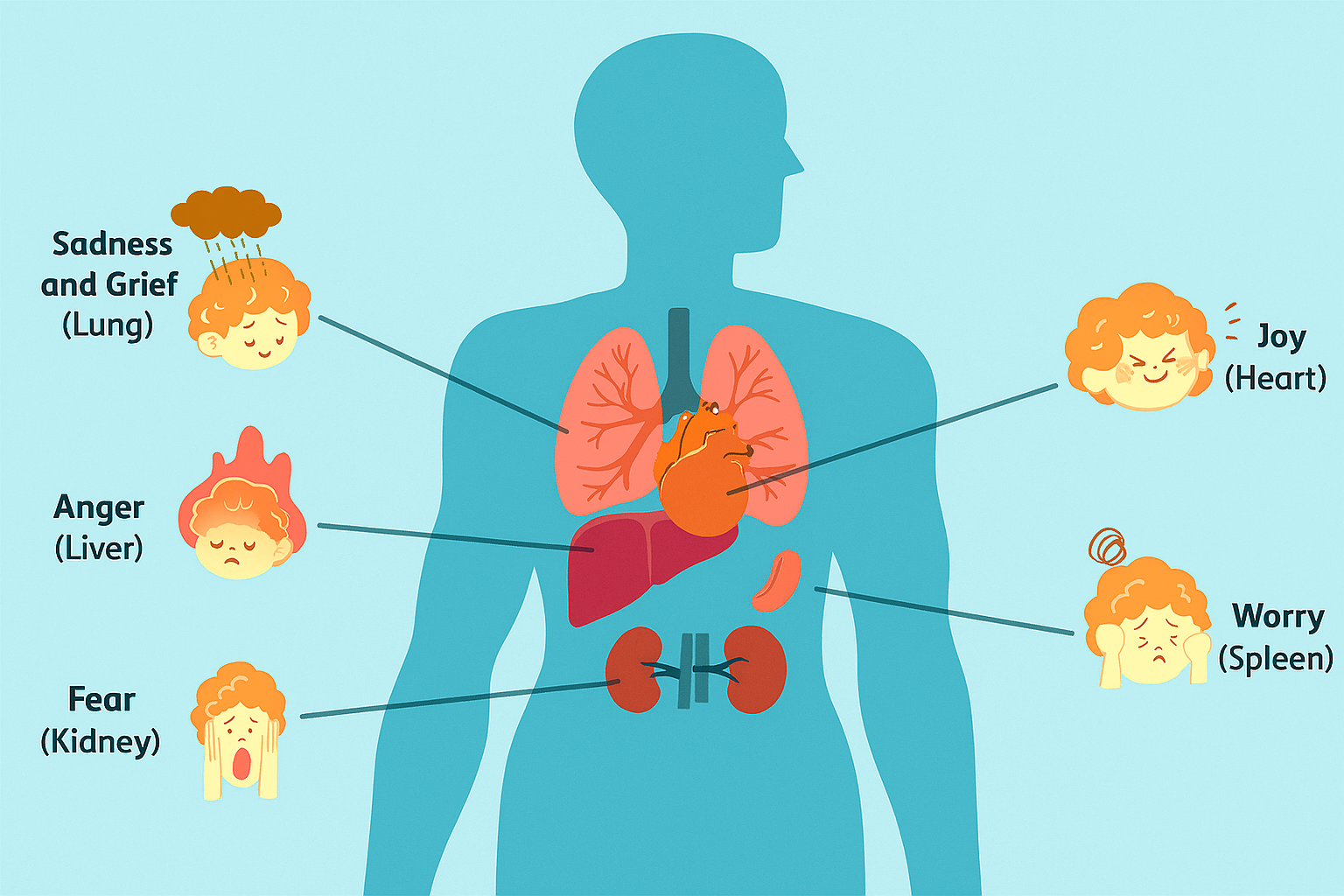
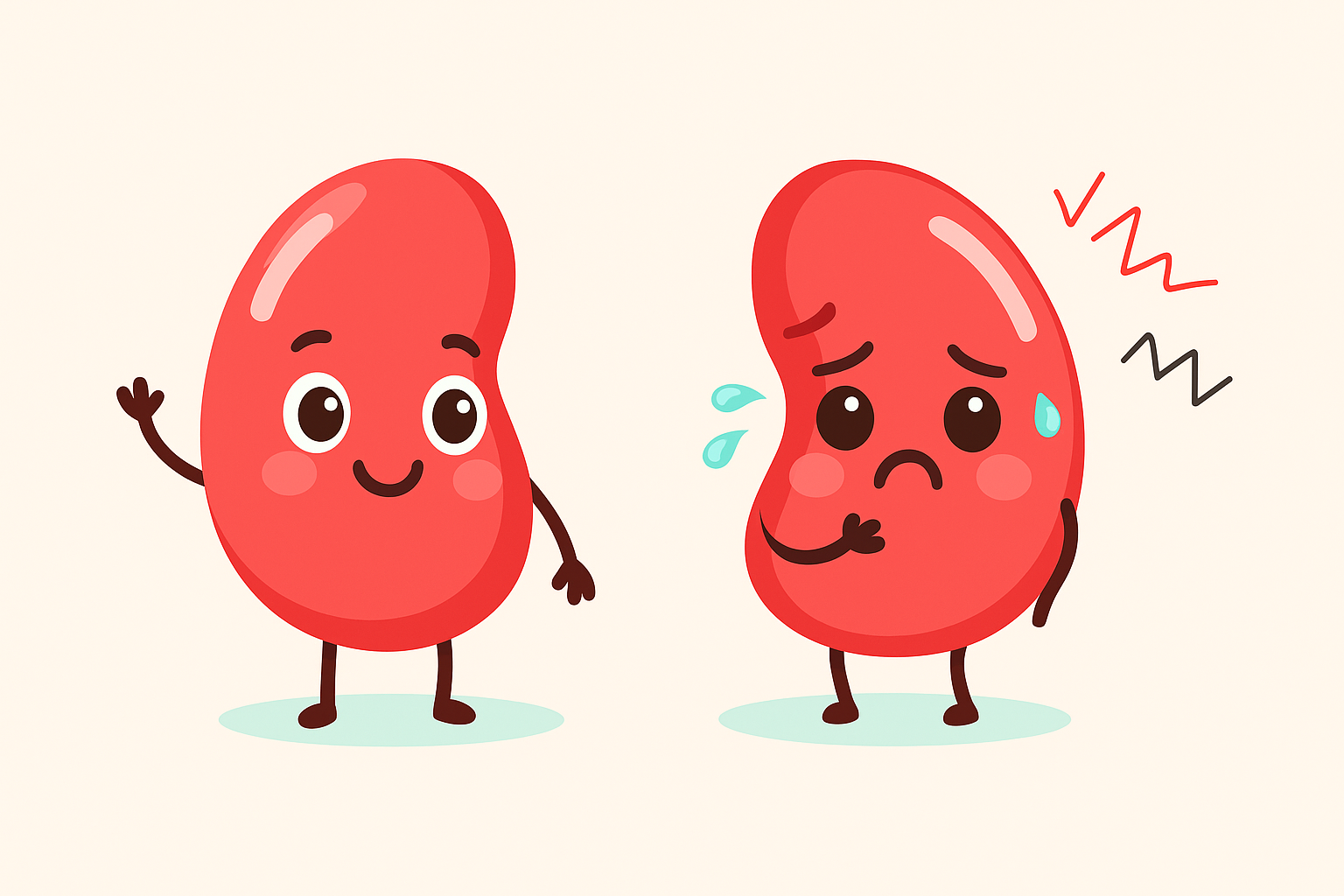
This highlights the inner nature of fear — not as an external enemy, but as a mental and emotional construct that blocks our natural flow of energy, potential, and clarity. In traditional systems like Traditional Chinese Medicine (TCM) and Ayurveda, fear is deeply connected to the kidneys, the organs seen not only as filters of the body but as reservoirs of vital energy (Jing / Ojas). In TCM, the kidneys are the seat of willpower (Zhi), and when this energy is depleted or imbalanced, fear, insecurity, and lack of direction arise.
Fear weakens the kidneys, and weak kidneys generate more fear—creating a feedback loop.
Fear becomes self-imposed when it is unconsciously fed: through exposure to negative media, engagement in toxic conversations, and the habitual rehearsal of worst-case scenarios. These habits amplify imagined threats and disconnect us from the present moment, where solutions and strength reside. Many people live in a chronic low-grade fear state, not because of real danger, but because of repeated exposure to fear-inducing stimuli — often by choice or unconscious conditioning.

-
Limit exposure to fear-based content: Avoid excessive news, violent entertainment, and online content that provokes anxiety.
-
Avoid draining relationships: Step back from toxic conversations or people who feed insecurity or self-doubt.
-
Support kidney energy with warm, nourishing foods: soups, black sesame seeds, kidney beans, walnuts, and mineral-rich broths.
-
Use adaptogens and kidney tonics like Ashwagandha, Shilajit, Cordyceps, Shatavari, Punarnava (with guidance of a practitioner).
-
Practice grounding breathwork and yoga: Apana-focused pranayamas (like Nadi Shodhana or gentle Kapalabhati) help stabilize downward energy.
-
Meditation and chanting: Practices like “So-Ham” or mantras dedicated to protection (e.g., Hanuman Chalisa) can calm fear from the root.
-
Nature immersion and silence: Spending time in stillness, mountains, or near flowing water has a restorative effect on kidney energy.
Fear is deeply connected to the kidneys
Anger depletes and dries out the body and the mind
Anger is a powerful emotion that, when left unchecked, acts like internal fire—consuming vital resources in both body and mind. In Ayurveda, anger is primarily associated with the liver, the seat of Pitta dosha, which governs heat, transformation, and metabolism. When anger is frequent or suppressed, it can aggravate Pitta, leading to an excess of internal heat that begins to “burn” the subtle energy of prana (life force), ojas (vital essence), and even the dhatus (tissues), especially rasa (plasma), rakta (blood), and mamsa (muscle tissue). Over time, this burning quality results in dryness, depletion, and inflammation—both physically and mentally.
Emotionally, anger disturbs clarity and stability, making the mind restless, overheated, and easily triggered. It obstructs the free flow of sattva (mental purity), disconnecting us from peace and intuition. Suppressed anger often transforms into resentment or bitterness, which lodges deeply in the energetic body and leads to chronic tension or autoimmune responses.
Just as fire dries up a river, prolonged anger drains the body of its juiciness—the very moisture that keeps us nourished, compassionate, and balanced.
Healing this requires not suppression, but transmutation: cooling herbs, liver detox, pranayama, heart-centered practices like compassion, forgiveness, and meditation, as well as creative expression to release stuck energy. Reconnecting with love, joy, and flow restores what anger burns away, allowing prana to move freely and dhatus to rebuild in peace.

In Ayurveda, worry is a Vata and Samana Vayu aggravating emotion, which disrupts the flow of prana in the digestive tract — especially in the stomach and small intestine. In Traditional Chinese Medicine (TCM), worry and overthinking are directly connected to the Spleen and Stomach meridians, which are central to digestion, absorption, and nutrient transformation. The spleen in TCM is not just a physical organ — it represents the digestive intelligence (can be compared to Agni in Ayurveda) responsible for turning food into usable energy (Qi).
When a person is constantly worried or overthinking, the mind enters a loop of tension and restlessness, which sends signals of stress to the gut via the gut-brain axis. The stomach, instead of focusing on its natural digestive rhythms, becomes tense, dry, and irregular. Here’s what happens:
-
Digestive fire (Agni) becomes unstable — too high (causing acidity) or too low (causing bloating, heaviness).
-
Peristalsis slows or becomes erratic, leading to constipation or indigestion.
-
Stomach acid secretion is altered, impairing the breakdown of food.
-
Enzyme function is reduced, making it difficult to assimilate nutrients.
-
Absorption of vital vitamins and minerals (like B12, iron, magnesium) becomes inefficient.
-
Gut lining becomes more permeable under stress, increasing the risk of inflammation or even leaky gut.
Over time, this can lead to nutritional deficiencies, low energy, poor immunity, and a further worsening of anxiety—creating a vicious cycle.
Inflammation in Ayurveda
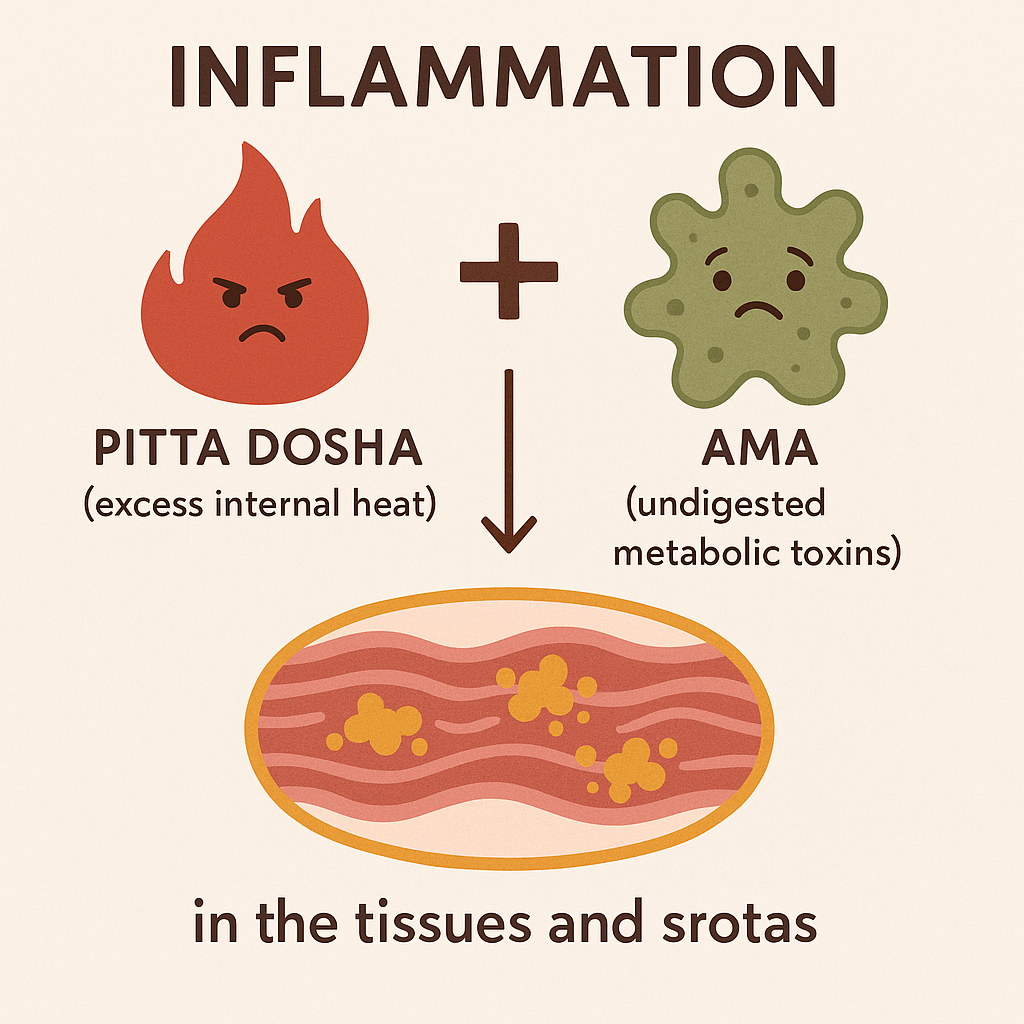
Simply put inflammation is seen as the result of aggravated Pitta dosha (excess internal heat) combined with the accumulation of Ama (undigested metabolic toxins) deposited in the tissues and srotas (body channels).
Main causes for aggravated Pitta:
-
Overeating pungent, sour, fermented, fried, or processed foods
-
Weak Agni (digestive fire) → incomplete digestion → buildup of Ama (toxins)
-
Emotional heat (anger, competitiveness, impatience)
-
Hot climate or environmental heat, overexposure to sun
-
Exposure to chemical toxins and mold
-
Disrupted daily rhythm
-
Overuse of stimulants (Caffeine, alcohol, nicotine, chemical stimulants & drugs etc.)
Daily rhythm disruptions that typically aggravate Pitta:
1. Eating at Irregular Times
-
Skipping meals or eating late lunches (especially between 10:00–14:00, Pitta time) can create acid buildup, irritability, and digestive fire overload.
-
Overeating or undereating stresses the digestive system (Pachaka Pitta).
2. Late-Night Activity / Sleeping Late
-
Staying awake past 10:00 p.m. enters the Pitta night phase (10 p.m.–2 a.m.), when the body naturally shifts into metabolic repair.
-
Being active during this time can increase mental heat, overthinking, and inflammation.
-
Leads to insomnia, skin breakouts, and burnout.
3. Overexposure to Screens and Artificial Light
-
Particularly blue light and LED exposure at night can aggravate Pitta by:
-
Disturbing melatonin cycle (increasing inner heat)
-
Irritating the eyes and Ajna chakra
-
Agitating Sadhaka Pitta (emotional heart-mind)
-
4. Over-Scheduling and No Downtime
-
Too much structure, planning, goal-setting, or multi-tasking overstimulates Pitta’s sharp, ambitious nature
-
Lack of yin (cooling) time → frustration, irritability, anger, inflammation
5. Poor Emotional Hygiene
-
Suppressing emotions, especially anger, jealousy, criticism, leads to internal heat accumulation
-
No time for reflection, nature, or silence increases emotional Pitta
6. No Regular Cooling / Resting Phases /Stress
-
Pitta needs balance between effort and release
-
No cooling habits (e.g., rest, walks in nature, meditation, gentle yoga) = build-up of internal fire
-
Not observing seasonal rhythms, especially overworking in summer, worsens Pitta
7. Exposure to Heat at Wrong Times
-
Working out or sun exposure at mid-day (10 a.m. – 2 p.m.)
-
Wearing tight, synthetic, heat-trapping clothing
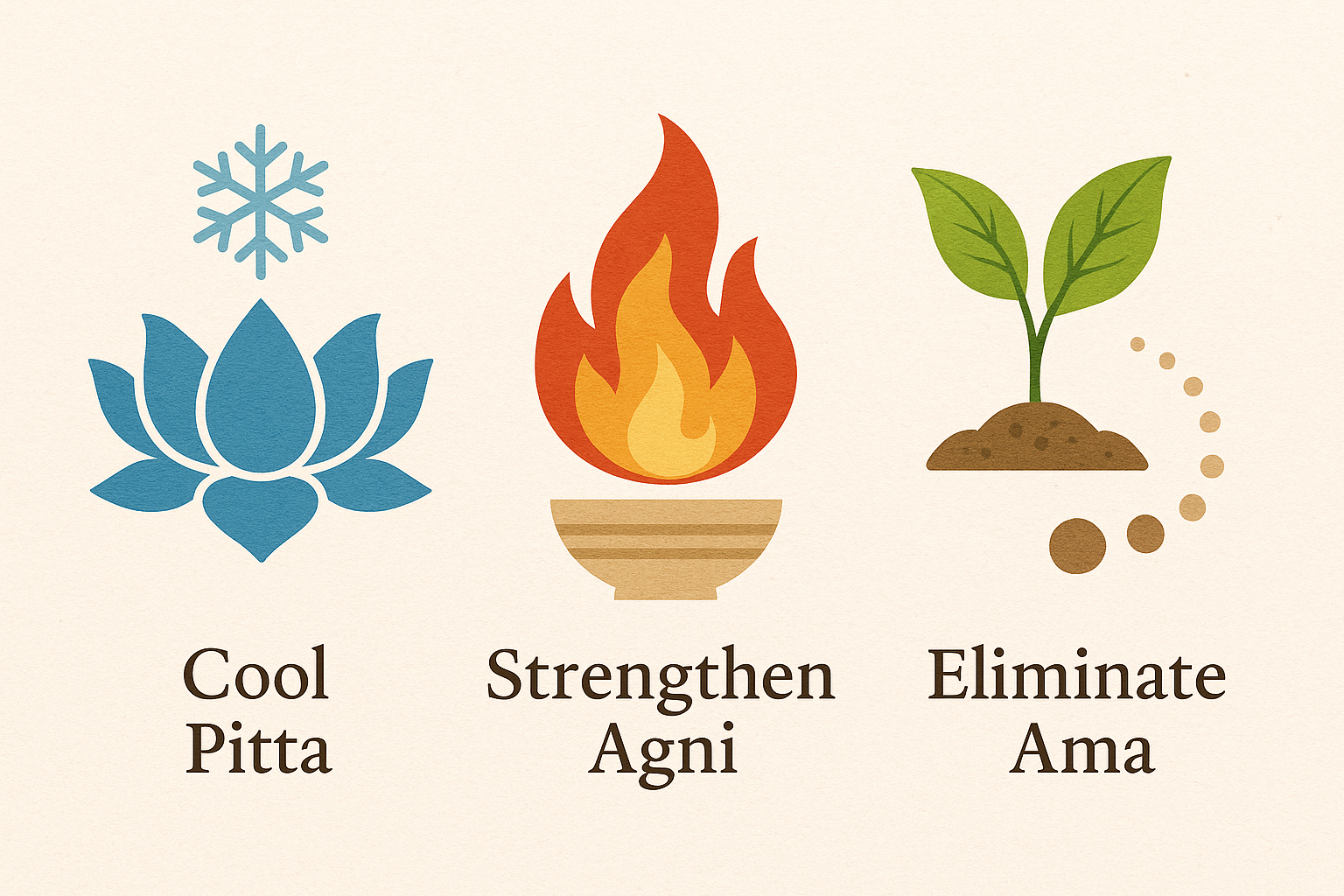
Treatment focus for Pitta:
-
Cool Pitta (internally and externally)
-
Strengthen Agni (digestive fire) through proper diet and herbs
-
Eliminate Ama via deepana–pachana (appetite-kindling and detoxifying herbs)
“When the body becomes too dry, overstimulated, and irregular — like living in a state of constant motion and depletion — it can ignite inner heat and inflammation, as if wind were fanning a fire.”
Anything cold, dry, light, erratic, and moving aggravates Vata.
1. Cold Climate & Wind
-
Autumn, winter, strong wind exposure
-
Air travel (movement + dryness)
-
Sleeping under a fan or in air conditioning
2. Dryness (External + Internal)
-
Dry weather, dry food, strong wind
-
Dehydration or low fat/oil intake
-
Excessive fasting or skipping meals
-
Chronic constipation
3. Light, Raw, and Cold Foods
-
Raw salads, smoothies, cold drinks, dry crackers
-
Too much foods with bitter, astringent, or pungent tastes in excess
-
Very rough or fibrous foods (too much bran, raw cabbage, etc.)
4. Overstimulation or Excessive Movement
-
Too much travel, especially flying
-
Overexercising, constant multitasking
-
Lack of grounding or rest
5. Irregular Routine
-
Eating at different times daily
-
Inconsistent sleep schedule
-
Working late nights or overthinking into the night
6. Emotional Agitation
-
Fear, insecurity, worry
-
Loneliness or feeling unsupported
-
Sudden change or lack of stability
7. Certain Substances & Habits
-
Caffeine, nicotine, stimulants
-
Drying herbs or excessive detoxing
-
Excess use of bitter or astringent medicines
-
Overuse of digital screens or loud environments
Examples of Vata Aggravating Pitta
-
A person (specially Vata Prakriti) with a rushed, irregular routine skips meals, has irregular sleep routine and overstimulates their nervous system by too much TV and talk → eventually develops acid reflux, migraines, or burning skin rashes (Vata chaos pushes Pitta heat).
-
When the colon is dry (too much cold, raw food, raw juices, fasting etc.) and Vata is ungrounded, it seeks space and dryness elsewhere — and the joints, being naturally hollow spaces, become an easy target. Without proper oleation (Snigdhatva) and nourishment, this dryness leads to joint degeneration and inflammation. On the other hand constipation (dry colon) leads to toxins leaking into the rest of the body.
-
A thin, Vata-dominant individual suppresses emotions and pushes themselves with excess yoga, fasting or detoxing → this depletes Ojas and sparks inflammatory conditions like autoimmune flare-ups or burning urination.
Pitta can be secondarily aggravated by excess Vata
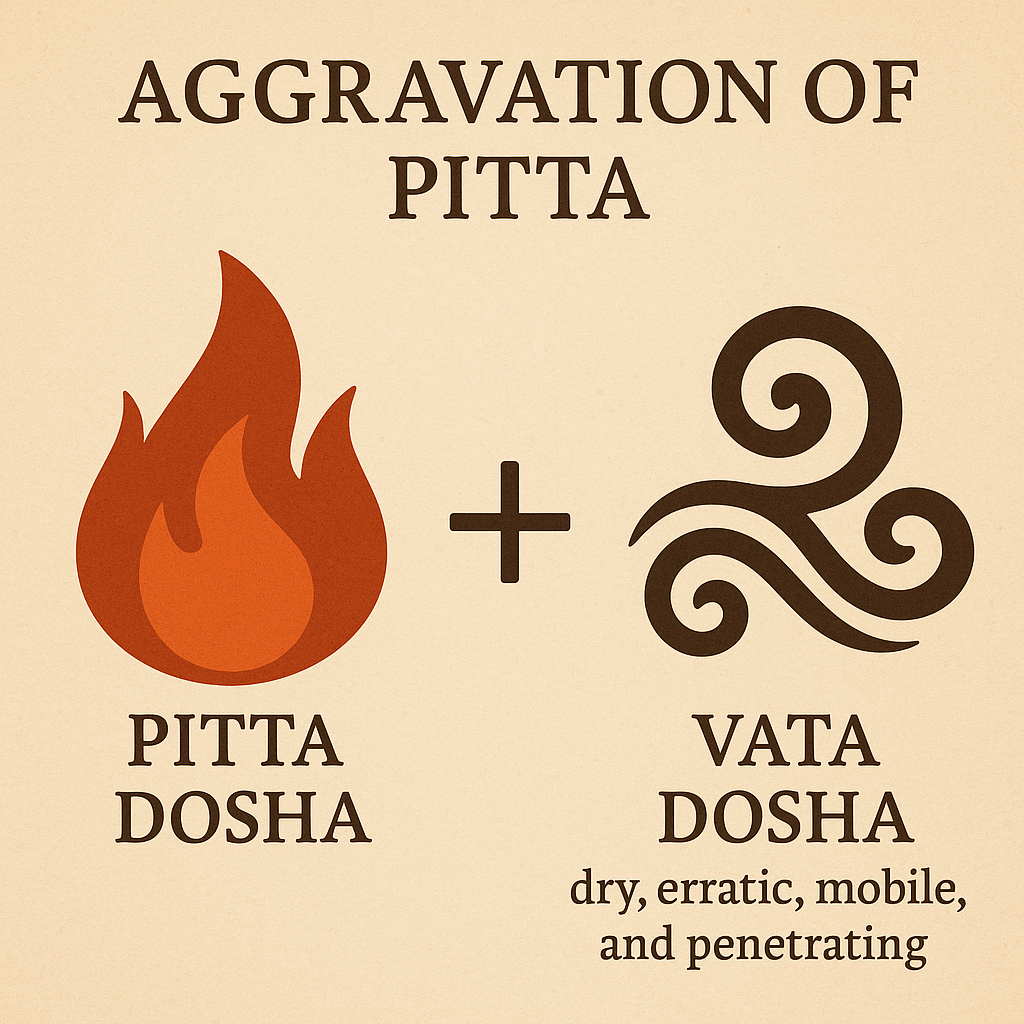
This is a crucial point, especially in chronic inflammation or autoimmune conditions.
- Vata is the initiator of imbalance. It is light, cold, and constantly moving. It governs movement and can “carry” other doshas out of balance.
- When dry, mobile, irregular Vata agitates sharp, hot Pitta, it can lead to:
-
-
Unstable inflammation
-
Autoimmune flares
-
Sudden heat surges (hot flashes, burning sensations)
-
Shifting pain + burning + dryness — a classic Vata-Pitta inflammatory pattern
-
-
Charaka Samhita mentions that Vata can push Pitta into vulnerable tissues, leading to Pitta-type inflammation that is unpredictable and often unresponsive to simple cooling alone.
Examples of Kapha aggravating Pitta
-
A sedentary person with a heavy, oily, sweet diet develops acne, heartburn, or skin inflammation
-
A congested liver due to fatty food intake (Kapha) manifests as Pitta skin or bile issues
-
Someone emotionally repressed (Kapha pattern) suddenly bursts out in Pitta rage or intensity
Kapha blocks the natural flow of Pitta → internal heat builds up
- Kapha is cold, heavy, and moist, while Pitta is hot, sharp, and penetrating.
-
When Kapha is in excess — especially in digestive channels (Annavaha srotas) or liver/gallbladder pathways (Ranjaka Pitta) — it can trap Pitta inside.
-
This can result in heat congestion → leading to sudden inflammation, acidity, rashes, and emotional flare-ups.
It is like “putting a lid on a boiling pot — heat will build until it explodes.”

Toxic triggers (e.g., air pollution, processed food, alcohol, heavy metals)
Never sleep with your head facing North